A HOME FOR SCIENCE LEADERSHIP
The need for a centre
Scientific expertise has never been more important. But the ability of scientists to lead — to influence decisions, build collaborations, shape priorities and turn knowledge into action — often receives far less attention than the development of scientific expertise itself.
Scientists are increasingly expected to exercise leadership, often without the preparation, support or opportunities to develop the capabilities they need.
We believe that needs to change.
The Centre for Science Leadership was established in 2026 to help make that happen.
Origins
The Centre was established by Peter Redstone to extend the reach and impact of his work in science leadership at the Barefoot Thinking Company.
Since 2009, Barefoot has worked with more than 2,000 scientists from over 150 organisations — including universities, research institutes, government agencies, NGOs and fellowships, particularly in the environmental sciences.
That experience has provided an opportunity to learn directly from scientists about the leadership challenges they face, what they find difficult and what helps them become more effective
It led to the development of the Challenge of Science Leadership programme and, over time, a growing body of practical approaches to help scientists think, influence, collaborate and lead more effectively.
OUR VISION
A world where leadership development is recognised as an integral part of being a scientist, and scientific knowledge makes a greater difference to people's lives and the planet.
OUR MISSION
To help scientists lead with confidence and effectiveness, turning scientific knowledge into action.
What we BELIEVE
The Centre for Science Leadership is built on a series of beliefs, and an intention to help science make the biggest possible impact in the world.
-
Science helps us understand the world around us, the systems on which we depend and how they are changing.
It helps us understand the consequences of human activity, evaluate possible courses of action and discover ways to address problems, repair damage and improve lives.
Science gives us knowledge that can help us make better decisions about the future.
-
Scientific knowledge alone does not guarantee action.
Turning knowledge into decisions and action often requires people who can bring different perspectives together, build relationships, influence decisions and make things happen.
That takes leadership.
-
For many scientists, leadership becomes an increasingly important part of their professional lives.
Some find themselves taking on leadership responsibilities earlier than expected, often without a formal title. Others progress into senior positions where leadership becomes central to their role.
-
Scientists spend many years developing their scientific knowledge and expertise. Yet their education and training often give relatively little attention to the leadership capabilities they will need throughout their careers.
As a result, many scientists take on leadership responsibilities without having had sufficient opportunities to develop the skills and confidence these require.
We believe this gap deserves much greater attention.
-
For many scientists, science was a calling before it became a career. Their interest often began with a childhood fascination, a question they wanted to answer or a desire to understand the world.
Scientists also work within professional cultures that place particular value on evidence, expertise, inquiry and intellectual independence.
We believe effective science leadership development should recognise these characteristics, building on scientists' motivations, experiences and the particular challenges they face.
-
Leadership is not simply an innate ability or something acquired automatically through experience.
It involves capabilities that can be developed through learning, practice, reflection and feedback.
We believe scientists should have opportunities to develop these capabilities throughout their careers, alongside their scientific expertise.
-
There is still much to discover about what makes science leadership effective.
We believe we can deepen our understanding by sharing experiences, examining evidence, testing ideas and learning from one another.
The Centre aims to contribute to this learning, working with scientists and organisations around the world.
What we Do
The Centre for Science Leadership brings together ideas, experience, practical resources and opportunities to learn and connect. It provides a wider platform for exploring what effective science leadership requires, sharing what we learn and helping more scientists develop their leadership capabilities.
-
You don't need ‘leader’ in your job title to start developing as one.
Develop your leadership, extend your influence and increase the difference your expertise can make.
-
Develop people who can lead, collaborate, influence and make important things happen—strengthening teams, developing future leaders or building leadership capability more widely across the organisation.
-
Good facilitation creates the conditions in which people can think well together, make better use of what everyone brings, reach greater clarity and move important work forward.
-
We are interested in working with organisations that share our interest in developing scientists as leaders and increasing the difference science and scientists can make.
-
The Centre’s publications support science leadership development.
-
A growing collection of information, ideas and leadership development tools.
Who we work with
Different people come to science leadership for different reasons.
You may be a scientist wanting to prepare for greater responsibility, progress in your career or increase the difference your expertise can make.
You may be responsible for developing scientists in an organisation — helping people grow into new responsibilities, broaden how they contribute, work effectively with others and make more of their expertise.
Or you may fund or support scientists through fellowships and other programmes, and want to help them make more of the opportunities your investment creates.
-
You don't need ‘leader’ in your job title to start developing as one.
Develop your leadership, extend your influence and increase the difference your expertise can make.
-
Develop people who can lead, collaborate, influence and make important things happen—strengthening teams, developing future leaders or building leadership capability more widely across the organisation.
-
Help scientists develop the leadership capability to make more of the opportunities your investment creates. Incorporate leadership development into what they offer, or explore new approaches to science leadership with us.
HOW WE WORK
We work to support scientists, as well as strengthen and grow the science leadership sector. All our work is focussed on increasing impact.
-
We listen to scientists and science organisations to understand the leadership challenges they face, how those challenges are changing and what helps them become more effective.
-
We help scientists and organisations develop the capabilities to lead more effectively through programmes, workshops, coaching and facilitation.
-
We aim to connect a community of people and organisations interested in developing science leadership—enabling relationships, conversations and collaborations that extend beyond our own programmes.
-
We contribute to the development of science leadership as a recognised field of thinking, learning and practice through research, resources, publications and partnerships.
PEOPLE
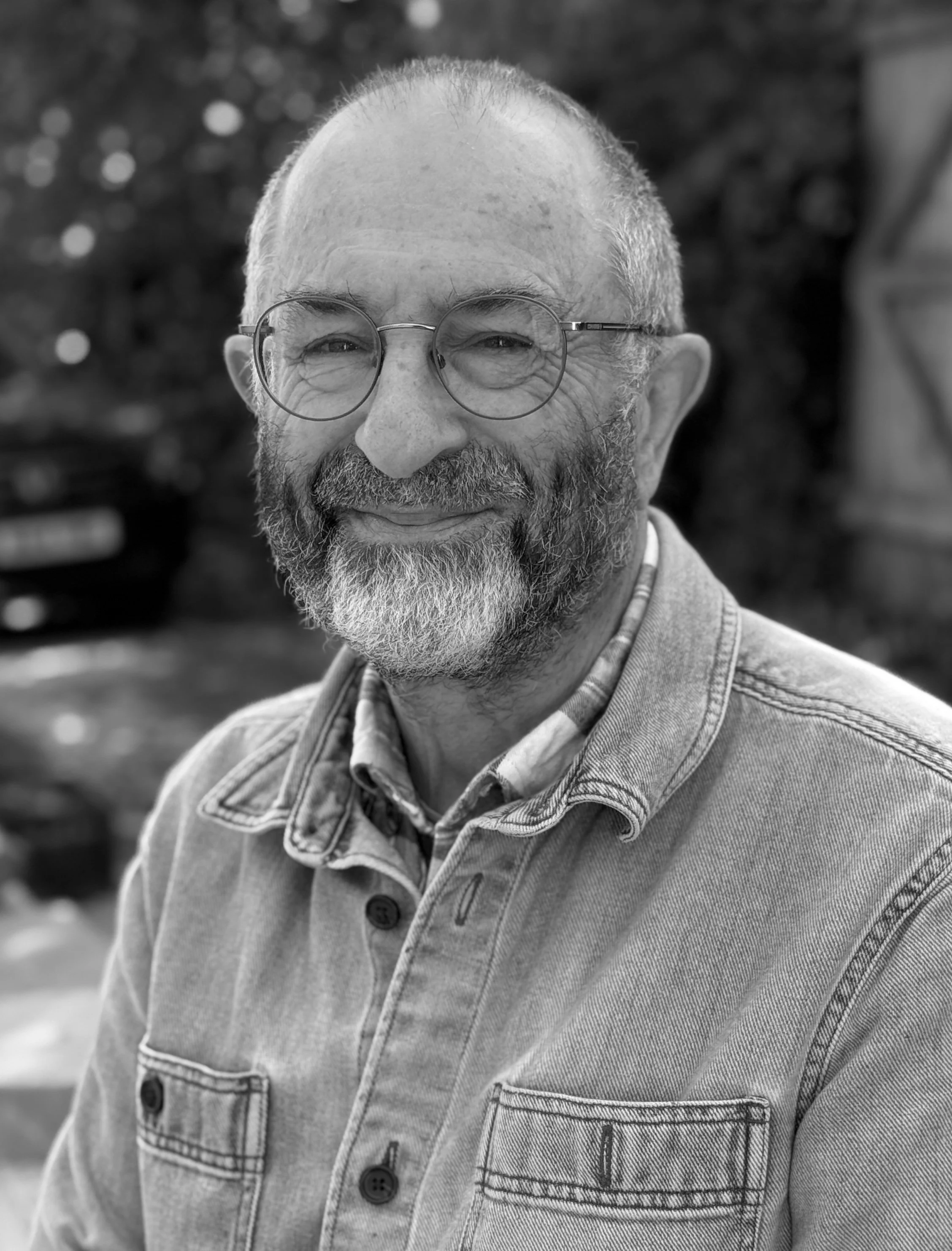
Peter Redstone
FounderPeter is a facilitator, trainer, author and strategic thinker. He is a co-director of the Barefoot Thinking Company and the founder of the Centre for Science Leadership.
His career has taken an unusual route — from economics and an MBA through management consulting with McKinsey, entrepreneurship and organic farming to more than two decades helping people and organisations think more effectively about what they are trying to achieve and how to make it happen.
Since 2009, much of his work has focused on scientists and science leadership. With Martin Bloxham, he developed the Challenge of Science Leadership programme.
Peter developed the Six Principles of Science Leadership and is the author of The Science Leader: How to Lead with Confidence and Impact.
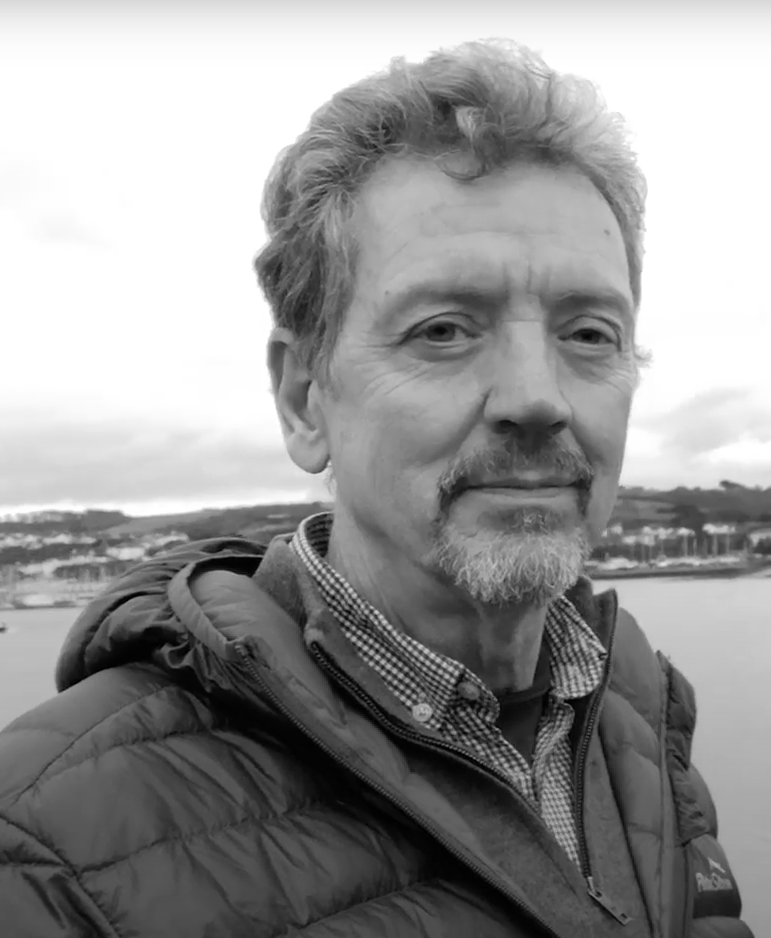
Martin Bloxham
Martin is a scientist, coach, facilitator and leadership development practitioner. He is a co-director of the Barefoot Thinking Company.
He has a PhD in Analytical Chemistry and began his career as a postdoctoral researcher and associate lecturer at Plymouth University and as an analytical chemist at the Irish Marine Institute.
He later worked internationally on complex environmental issues, including the strategic management of transboundary water systems. That experience took him beyond science itself into working across countries, organisations, disciplines and different interests.
His scientific background, together with his work in coaching, facilitation and leadership development, gives Martin a distinctive understanding of the environments in which scientists are being asked to lead.
start a
conversation
Do you have an Idea, Challenge or Opportunity? Perhaps you're developing scientists in your organisation, exploring a new approach to leadership development or have an idea we haven't thought of.
We'd be interested to hear from you.
POLICIES
The Centre for Science Leadership’s policies can be reviewed here.